Bulawayo Province · Zimbabwe
Bulawayo travel guide
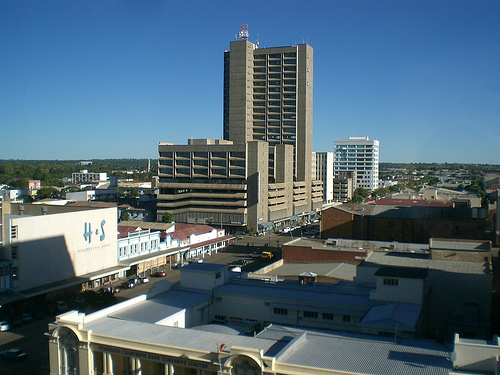

Bulawayo is a city in Bulawayo Province, Zimbabwe, home to about 666,000 people.
- Best months
- March to September
- Nearest airport
- BUQ18 km · Joshua Mqabuko Nkomo International Airport
- Currency
- ZWG + USDZimbabwean gold, US dollar
- Time zone
- Africa/HarareUTC+2
- Plugs
- D, G · 220 V
- Emergency
- 993
- Languages
- Shona, English, North Ndebele
About
About Bulawayo
Bulawayo (,; Northern Ndebele: Bulawayo) is the second largest city in Zimbabwe, and the largest city in the country's Matabeleland region. The city's population is disputed; the 2022 census listed it at 665,940, while the Bulawayo City Council claimed it to be about 1.2 million.
Bulawayo was founded by Lobengula, the last Ndebele king, who settled in what is now Zimbabwe around the 1840s along with a large number of fellow Ndebele who had trekked there all the way from Zululand. In 1893, the British South Africa Company invaded the area in a conflict known as the First Matabele War. The British troops destroyed the city and forced the king to flee. They then built modern Bulawayo over the ruins of the former royal Ndebele city. Although by latitude, Bulawayo is in the tropics, by virtue of its fairly high elevation, its climate is subtropical.
Wikipedia and Wikivoyage contributors, CC BY-SA 4.0; excerpted.
Things to do
What to see and do in Bulawayo
See
- Natural History Museum of Zimbabwe
- National Art Gallery
- Bulawayo Railway Museum
- Khami Ruins
Do
- Queens Sports Club
- Swimming pool
- Hillside Dams
Wikivoyage contributors, CC BY-SA 4.0; excerpted.
Where to stay
Hotels in Bulawayo
2 hotels within 25 km of the centre, as recorded in Wikidata. Each name links to its encyclopedia article where there is one.
| Hotel | Opened | From centre |
|---|---|---|
| Bulawayo Club | 1895 | 2.0 km |
| Ginger lilly villa | 3.9 km |
Where to stay
More places to stay around Bulawayo
Overture Maps and OpenStreetMap list 138 further hotels and other places to stay in the Bulawayo area; 1 of them has a star rating and 5 have a room count.
By type: 121 hotels, guest houses, hostels and similar, 6 holiday rentals and apartments and 11 listed only as lodging.
The area is everything within 25 km that is nearer to Bulawayo than to any other destination in this guide. Places this guide already names are not counted again; a place listed by two sources under different names can be counted twice.
Sources: Overture Maps Foundation, places theme, release 2026-09-23.1 (CDLA Permissive 2.0); © OpenStreetMap contributors (ODbL 1.0), data of 21 September 2026.
Things to see
Things to see near Bulawayo
Places of interest within 10 km of the centre of Bulawayo, ranked first by how widely they are covered in Wikipedia (3 of them have articles), then the others, those linked to Wikidata first, by type of place and distance. Distances are in a straight line.
- Bulawayo Railway Museum museum · 0.9 km
- The Natural History Museum of Zimbabwe museum · 3.3 km
- The Cenotaph memorial · 2.1 km
- The Art Grove Coffee Shop museum · 2.3 km
- Canella Gardens attraction · 5.4 km
- 12443 Nkulumane attraction · 6.2 km
- Esporeni Outdoor Market attraction · 9.7 km
- National Art Gallery Bulawayo gallery · 2.3 km
- Hume Park park · 3.4 km
- Bajoy blues viewpoint · 4.6 km
- Hillside Dams Conservation park · 6.7 km
OpenStreetMap maps 30 restaurants, 12 cafes and 31 bars and pubs within 10 km of the centre.
Source: © OpenStreetMap contributors (ODbL 1.0), map data of 21 September 2026; links to Wikidata.
Nature
Nature near Bulawayo
Protected areas within 50 km
- Matobo National Park national park · 21.8 km
Source: © OpenStreetMap contributors (ODbL 1.0), map data of 21 September 2026; links to Wikidata.
When to go
The best time to visit Bulawayo
The most comfortable months for a city stay in Bulawayo are March to September. October is the warmest month, with average highs of 30 °C; January is the wettest, with about 139 mm of rain.
Comfortable means average daytime high between 18 °C and 29 °C and under 80 mm of rain in the month. Averages for 1991-2020 over the surrounding area, a grid square about 50 km across, so a coast or a nearby mountain can make the town itself warmer or cooler. Data: CRU TS v4.10, Climatic Research Unit, University of East Anglia (Open Database License).
Public holidays in Zimbabwe, 2026
Shops and offices may close on these dates.
Getting there
Getting to Bulawayo: airports and arrival
The nearest airport with scheduled flights is Joshua Mqabuko Nkomo International Airport (BUQ), about 18 km from the city centre in a straight line.
Getting around
The city is fairly walkable. Local transport is mainly by 18 seater minibuses called "kombis". The cost from the CBD to the suburbs is usually 50 cents. inDrive is popular in Harare and probably the best app to book a taxi. Taxis do not have a particular colour but are clearly marked.
Wikivoyage contributors, CC BY-SA 4.0; excerpted.
BUQ · Joshua Mqabuko Nkomo International Airport
Questions
Bulawayo: questions travellers ask
When is the best time to visit Bulawayo?
The most comfortable months for a city stay in Bulawayo are March to September. October is the warmest month, with average highs of 30 °C; January is the wettest, with about 139 mm of rain.
Which airport is closest to Bulawayo?
The nearest airport with scheduled flights is Joshua Mqabuko Nkomo International Airport (BUQ), about 18 km from the city centre in a straight line.
What currency is used in Bulawayo?
2 currencies are legal tender: the Zimbabwean gold (ZWG) and the US dollar (USD), per Unicode CLDR.
Nearby
Destinations near Bulawayo
Sources: city facts from Wikidata and Wikipedia; airports from OurAirports; climate from CRU TS v4.10 (University of East Anglia Climatic Research Unit), 1991-2020 monthly means, 0.5° grid; public holidays from python-holidays (MIT); currency and official languages from Unicode CLDR (Unicode License v3); time zone from the coordinates (timezone-boundary-builder, ODbL) with offsets from the IANA Time Zone Database; places to stay and guest scores from each operator's own public pages; amenities from the operators' own listing data. How this guide is made.